Executive Summary
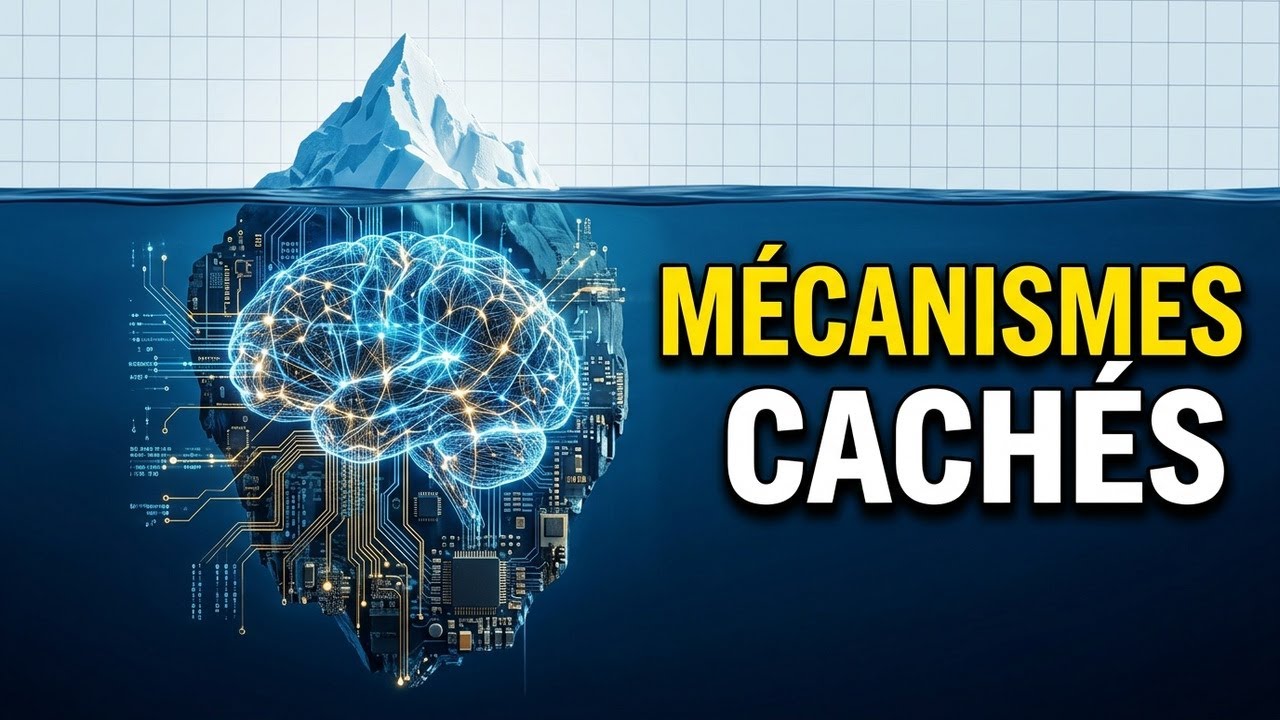
Artificial intelligence deployment in global banking institutions is reshaping workforce structures and operational paradigms through automated decision-making systems and agentic models. Major European financial groups—BNP Paribas, Société Générale, and Crédit Agricole—are implementing large-scale workforce reductions while simultaneously capturing hundreds of millions in value through fraud detection, credit scoring, and process automation. However, institutional strategies reveal a critical tension: AI systems generate measurable financial returns yet introduce algorithmic bias, data integrity risks, and hallucination artifacts that require sustained human oversight. The structural transformation extends across regulatory frameworks (EU AI Act compliance) and emerging markets, with Tunisian banking institutions facing strategic implementation delays. Understanding these hidden mechanisms—from prompt engineering to constitutional AI alignment—is essential for professionals navigating this operational shift.
Key Points
Workforce Contraction via Agentic Automation: BNP Paribas anticipates up to 1,200 job eliminations following fintech platform integration; French banking groups systematically replace human decision-making layers with autonomous systems, targeting operational cost reduction rather than capability expansion.
Value Generation Through Algorithmic Systems: Fraud detection and credit scoring algorithms generate documented financial returns measurable in hundreds of millions of euros, representing core use-case validation across retail and institutional banking operations.
Persistent Algorithmic Bias and Hallucination Risks: BNP Paribas’ strategic positioning acknowledges that AI systems hallucinate and introduce data bias; institutional frameworks require human validation gates and Constitutional AI approaches to mitigate decision-making errors with material financial or compliance consequences.
Regulatory Compliance Layer: EU AI Act implications for banking and payments sectors impose classification requirements, documentation obligations, and risk management protocols that fundamentally reshape AI deployment timelines and architectural decisions.
Geographic Adoption Asymmetry: Tunisian banking sector faces strategic delay in digital transformation and AI integration compared to Western European peers, indicating uneven global implementation and competitive disadvantage in algorithmic decision-making infrastructure.
Prompt Engineering and Model Operationalization: Effective AI deployment in banking requires structured prompt engineering, context engineering, and agentic coding practices; free training resources (Anthropic, DeepLearning.AI) indicate skill democratization, yet institutional adoption remains dependent on organizational governance maturity.
References (Golden Sources)
BNP Paribas envisage jusqu’à 1.200 suppressions d’emplois après l’intégration d’Axa IM
Créer de la valeur avec l’IA même si elle hallucine, la stratégie de BNP Paribas
Claude Code: A Highly Agentic Coding Assistant - DeepLearning.AI
Constitutional AI: An Expanded Overview of Anthropic’s Alignment Approach
Chapters
0:00— Introduction à l’IA0:33— Context Engineering1:08— Boucle React1:48— IA Constitutionnelle2:21— Logique Ternaire
Wet & Sea Tech Resources
YouTube (@discover-allin360) : https://www.youtube.com/@discover-allin360
Shop : https://wetseatech.etsy.com
More articles — AI & Work : https://wetandseaai.pascal-froment.workers.dev/tags/ia-travail/